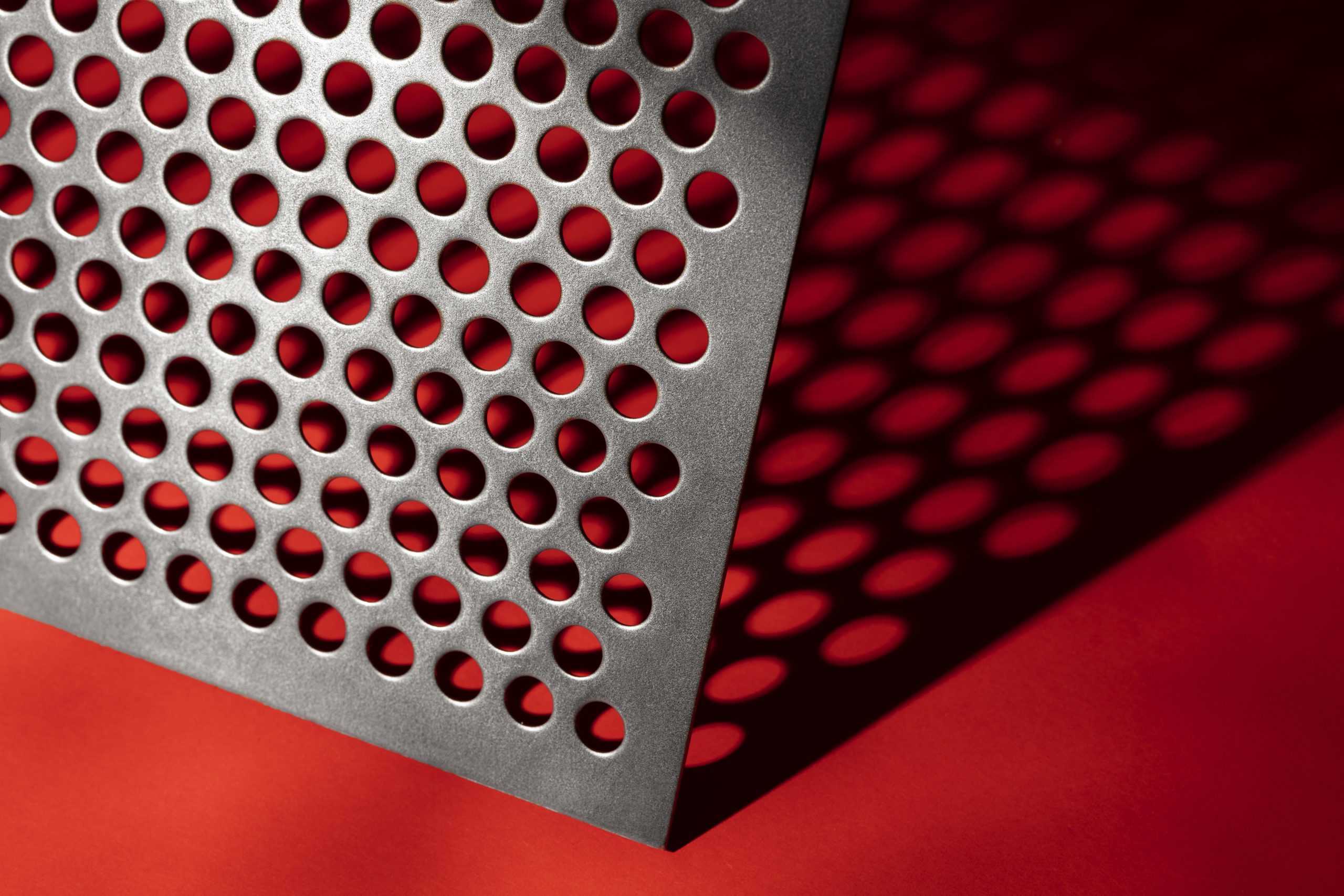
In the world of modern manufacturing, precision, efficiency, and versatility are paramount. One technology that has significantly advanced these aspects in sheet metal fabrication is the metal laser cutter. This powerful tool has transformed the industry, enabling manufacturers to achieve unparalleled precision and efficiency. Let’s delve into the key features and benefits of metal laser cutters in sheet metal fabrication.
Precision and Accuracy
Metal laser cutters are renowned for their precision. Utilizing a focused laser beam, these machines can cut complex shapes with tight tolerances, often within a fraction of a millimeter. This level of accuracy is crucial for industries where precision is non-negotiable, such as aerospace, automotive, and electronics. The ability to produce intricate designs without the need for additional tooling reduces waste and ensures consistent quality across production runs.
Versatility
One of the standout features of metal laser cutters is their versatility. They can handle a wide range of materials, including stainless steel, aluminum, brass, and titanium. This adaptability makes them ideal for various applications, from creating delicate components to cutting thick metal sheets. Moreover, laser cutters can perform different operations such as cutting, engraving, and marking, making them multi-functional tools in a fabrication shop.
Speed and Efficiency
Metal laser cutters offer significant improvements in speed compared to traditional cutting methods. The high-speed capabilities of lasers enable manufacturers to increase production rates and reduce lead times. This efficiency is particularly beneficial in high-volume manufacturing environments where time is of the essence. Additionally, laser cutters often require less manual intervention, further streamlining the fabrication process.
Cost-Effectiveness
While the initial investment in a metal laser cutter can be substantial, the long-term cost benefits are considerable. The precision of laser cutting reduces material waste, and the high-speed operation minimizes labor costs. Moreover, the versatility of laser cutters means that a single machine can replace multiple traditional tools, leading to further cost savings. Over time, these factors contribute to a lower overall cost per part, enhancing the profitability of manufacturing operations.
Automation and Integration
The integration of automation technologies with metal laser cutters has further enhanced their capabilities. Automated loading and unloading systems, along with advanced software, allow for seamless integration into manufacturing processes. This automation not only increases throughput but also reduces the likelihood of human error. Additionally, modern laser cutters can be connected to computer-aided design (CAD) systems, enabling direct transfer of designs to the machine for cutting, which streamlines the workflow and enhances precision.
Environmental Impact
Metal laser cutters are also more environmentally friendly compared to some traditional cutting methods. They produce less waste and consume less energy, particularly when cutting thin materials. Additionally, the lack of physical contact between the cutting tool and the material means there is less wear and tear, reducing the need for frequent replacements and minimizing resource consumption.
Safety
Safety is a critical concern in any manufacturing environment. Metal laser cutting machine are designed with numerous safety features to protect operators. Enclosed laser systems, safety interlocks, and advanced ventilation systems help to minimize exposure to laser radiation and fumes. These features ensure that laser cutting operations can be conducted safely, even in high-production settings.
Challenges and Considerations
Despite their many advantages, metal laser cutters are not without challenges. The initial cost can be prohibitive for smaller operations, and maintaining the equipment requires skilled personnel. Additionally, certain materials, like highly reflective metals, can pose challenges due to their tendency to reflect the laser beam. Manufacturers must carefully consider these factors when deciding to incorporate laser cutting technology into their operations.
Conclusion
The advent of metal laser cutters has revolutionized sheet metal fabrication. Their precision, speed, and versatility make them invaluable in modern manufacturing, offering significant advantages over traditional cutting methods. As technology continues to advance, we can expect further improvements in laser cutting capabilities, making it an even more integral part of the fabrication industry. For any manufacturer looking to enhance their production capabilities, investing in a metal laser cutter is a strategic move that promises substantial returns in efficiency, quality, and profitability.