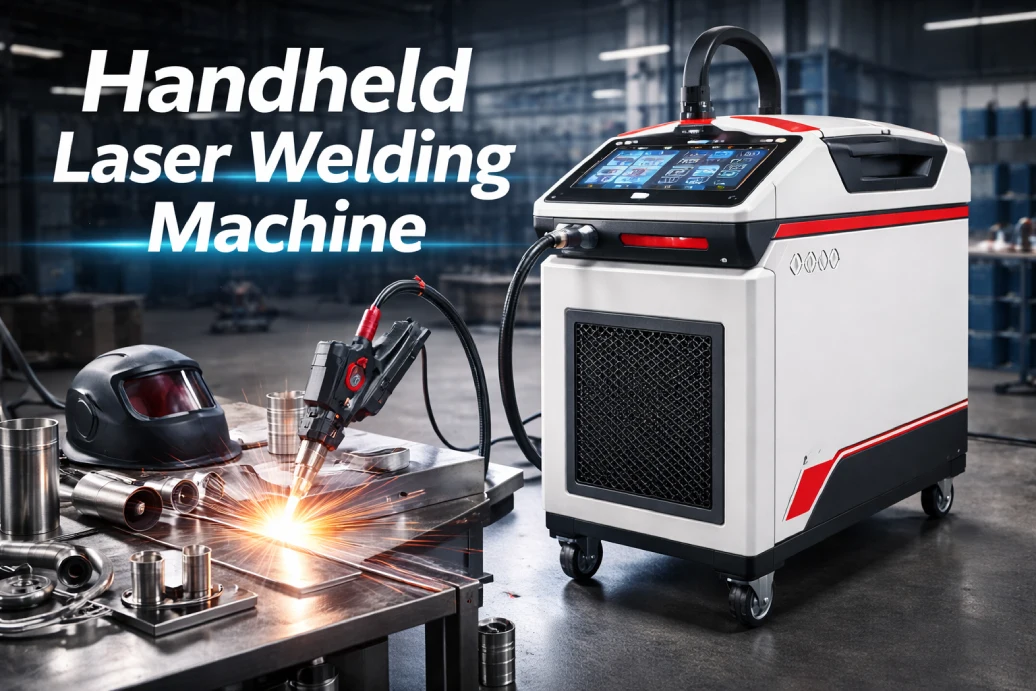
Modern fabrication is moving fast. Customers want cleaner welds, quicker delivery, and consistent quality—without the rework that eats margins. That’s exactly why the handheld laser welding machine category has exploded across sheet metal, automotive ancillaries, stainless steel fabrication, kitchen equipment, signage, enclosures, and job shops. A handheld laser system brings the precision of laser technology into a portable, operator-friendly format—helping businesses weld faster, reduce distortion, and improve finish quality.
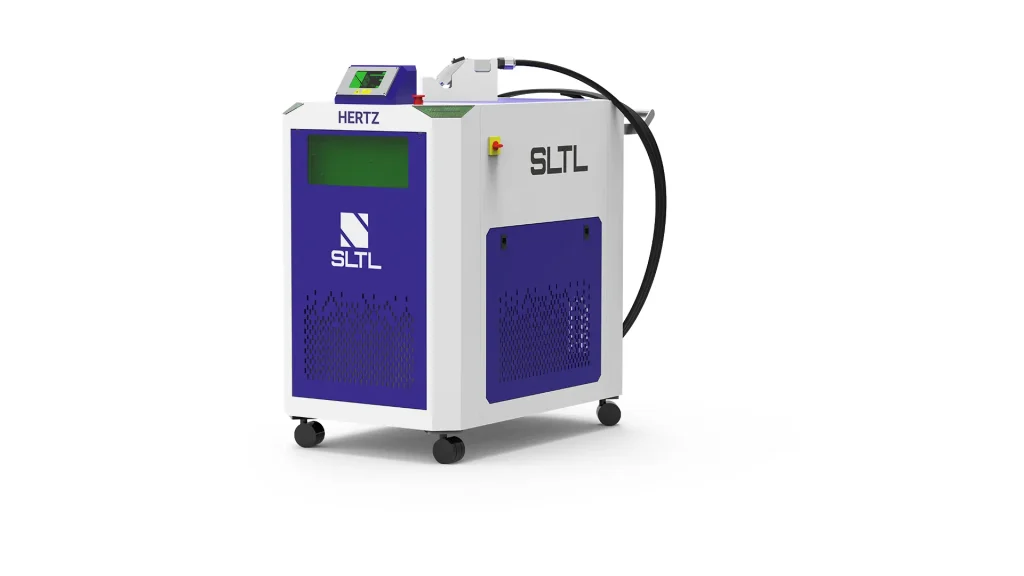
Among the brands driving this shift, SLTL Group stands out as a manufacturer known for industrial laser solutions across cutting, welding, marking, and automation. In this blog, we’ll break down what makes handheld laser welding so valuable, where it fits best, why manufacturers and fabricators choose SLTL, and—most importantly—how to think clearly about laser welding machine price so you can plan your purchase with confidence.
What is a Handheld Laser Welding Machine?
A laser welding machine uses a high-energy laser beam to melt and fuse metal at the joint line. In handheld laser welding, that energy is delivered through a compact welding gun connected to the laser source, cooling system, and control unit. Instead of building a fixed robotic cell, operators can weld at the workbench (or on-site) with a controlled, focused beam.
Unlike traditional MIG/TIG methods that depend heavily on operator technique, arc stability, filler control, and heat management, handheld laser welding offers:
- Highly concentrated heat input
- Minimal heat-affected zone (HAZ)
- Low distortion on thin sheets
- Clean, aesthetic seams
- High speed for repetitive welds
This makes it ideal for stainless steel, mild steel, and often aluminum (depending on model configuration and process parameters), especially in thin-to-medium thickness ranges.
Why Industry is Shifting from TIG/MIG to Handheld Laser Welding
Traditional welding is proven, but it comes with real production challenges: spatter cleanup, grinding, warping, inconsistent bead quality, and skill dependency. Handheld laser welding solves many of those pain points.
1) Faster Welding Speeds
A handheld laser welding machine can significantly increase throughput in common shop jobs like corner joints, lap joints, and fillet joints on stainless steel furniture, cabinets, and enclosures. Faster cycle time means more output per shift.
2) Minimal Distortion and Better Finish
Because the laser focuses energy into a small spot, the surrounding metal sees less thermal stress. That means less warping, fewer burn marks, and cleaner weld aesthetics-reducing post-weld grinding and polishing.
3) Easier Skill Curve (Compared to TIG)
TIG produces beautiful welds—but it takes time to master. Handheld laser welding can be easier to learn for many shop operators, especially for consistent seams and repeatable jobs. This helps with productivity and workforce challenges.
4) Reduced Rework and Defects
Less spatter, cleaner fusion, and controlled energy often translate into fewer defects like undercutting, excessive bead buildup, or inconsistent penetration-when parameters are properly set.
SLTL Group as a Handheld Laser Welding Machine Manufacturer
SLTL Group is widely recognized in the laser manufacturing ecosystem, known for building industrial-grade laser systems and supporting customers with application guidance. As a handheld laser welding machine manufacturer, SLTL focuses on delivering practical shop-floor results: faster weld times, stable performance, and reliable support.
What Fabricators Look For in a Manufacturer
When choosing a manufacturer, buyers don’t just look for specs-they look for confidence. A good laser welding partner provides:
- Strong machine build quality
- Stable output power and consistent weld results
- Application trials and parameter guidance
- Service support and spares availability
- Operator training and safety recommendations
SLTL’s advantage is its manufacturing mindset—laser systems built for real production environments, not just showroom demos.
Key Features to Expect in a Modern Handheld Laser Welding Machine
If you’re evaluating SLTL (or comparing brands), these are the practical features you should consider in any handheld laser welding machine:
1) Power Options for Different Thickness Ranges
Handheld laser welders commonly come in different power classes (often around 1 kW to 2 kW and beyond). Higher power can support deeper penetration and broader application range—but only if your job mix needs it.
Tip: Don’t buy power you won’t use. Buying correctly matched power protects ROI and reduces your laser welding machine price burden.
2) User-Friendly Control System
A good machine should offer:
- Simple parameter selection
- Preset libraries for common materials
- On-screen alerts for safety and process stability
This reduces setup time and improves consistency across operators.
3) Efficient Cooling and Uptime Reliability
Laser systems depend on stable temperature control. A robust cooling setup supports:
- Continuous production
- Better beam stability
- Longer component life
4) Ergonomic Handheld Welding Gun
Operator comfort matters for real throughput. Look for:
- Comfortable grip
- Balanced cable design
- Smooth wire feeding integration (if applicable)
5) Strong Safety Architecture
Laser safety isn’t optional. A responsible manufacturer ensures:
- Proper interlocks
- Emergency stop integration
- Safety guidance for eyewear, curtains, and workspace controls
Applications: Where Handheld Laser Welding Delivers the Best ROI
A handheld laser welding machine is especially valuable in industries that care about speed + appearance:
Stainless Steel Fabrication
- Kitchen equipment
- Railings
- Elevators and architectural metalwork
- Cabinets and enclosures
Sheet Metal and Job Shops
- Brackets
- Frames
- Panels
- Thin sheet assemblies
Signage and Decorative Metal
- Letters
- Metal frames
- Trim welds needing clean finish
Automotive Components (Selective Use)
- Light fabrication tasks
- Fixtures and brackets
- Sheet assemblies
The most cost-effective use cases are repetitive, time-sensitive welds where post-weld grinding costs are high.
Laser Welding Machine Price: What Determines the Cost?
One of the top search intents today is laser welding machine price-and it makes sense. Buyers want to know: “How much will it cost me in India?” or “What price range should I expect globally?”
The honest answer: pricing varies widely based on configuration. But you can estimate realistically once you understand the major cost drivers.
1) Laser Power and Source Type
Higher power generally increases price. It also increases your application range. But ROI depends on whether you truly need thicker-section welding or faster cycle times.
2) Duty Cycle and Industrial Build
Machines designed for continuous production (better cooling, stronger components, higher duty cycle) cost more than light-duty units.
3) Welding Head Quality and Consumables Ecosystem
Handheld gun build, optics protection, lens quality, and nozzle ecosystem affect:
- Performance stability
- Running cost
- Maintenance intervals
4) Wire Feeder Option (If Required)
Some applications need filler wire-especially on gaps, corner joints, or where cosmetic buildup is required. Adding wire feeding capability can increase initial cost but expand your job capability.
5) After-Sales Support, Training, and Warranty
A low upfront price can become expensive if you face downtime, lack of spares, or poor application support. This is where established manufacturers like SLTL can justify a higher—but safer—investment.
Understanding Total Cost of Ownership (Not Just Price)
When people search laser welding machine price, they often focus only on the purchase number. But your real cost is:
- Initial machine price
- Consumables (protective lenses, nozzles)
- Power usage
- Operator time saved (big one)
- Reduced grinding/polishing
- Reduced rework
- Downtime risk
For many fabricators, the biggest savings come from labor reduction in post-weld finishing. If you currently spend hours grinding TIG welds on stainless, laser welding can dramatically shift your cost structure.
How to Choose the Right Handheld Laser Welding Machine from SLTL
Here’s a practical checklist to choose the right model:
Step 1: List Your Materials and Thickness
- Stainless? Mild steel? Aluminum?
- Mostly 1–2 mm sheet? Or thicker parts too?
Step 2: Identify Joint Types
- Butt joints
- Lap joints
- Fillet joints
- Corner joints
Different joints may require different beam settings and sometimes wire feeding.
Step 3: Define Production Volume
- Occasional welding (prototype + small batches)
- Daily production welding
- Multi-shift environment
Higher volume justifies a more industrial configuration.
Step 4: Calculate ROI Using Time Saved
Compare:
- Current weld time + grinding time per part
vs. - Laser weld time + minimal finishing time
Even a simple spreadsheet with “minutes saved per part” can reveal payback quickly.
Why Buyers Consider SLTL for Handheld Laser Welding
When you’re investing in a laser welding machine, you’re not buying a simple tool—you’re adding a new manufacturing capability. Buyers consider SLTL because:
- It’s a manufacturer-led approach (not just trading/reselling)
- Focus on production-grade performance
- Capability to support real applications
- Strong ecosystem in industrial laser solutions
If you’re planning to scale, a reliable manufacturer matters more than a short-term discount.
Common Questions Buyers Ask
Is handheld laser welding good for stainless steel?
Yes—stainless steel is one of the most common and successful materials for handheld laser welding because it produces clean, aesthetic seams with minimal discoloration when settings and shielding are correct.
Do I need a wire feeder?
If your parts have gaps, inconsistent fit-up, or you need added material for strength/appearance, wire feeding can help. For tight-fit joints, you may not need it.
Is laser welding faster than TIG?
In many production cases—especially thin stainless and repetitive joints—handheld laser welding is significantly faster, with less finishing.
What is the typical laser welding machine price range?
It depends on power, configuration, duty cycle, and included accessories/support. Instead of guessing, the best approach is to match your material/thickness and production volume to the right power class and options.
Final Thoughts
A handheld laser welding machine is no longer “future tech”—it’s a practical production upgrade that helps fabricators weld faster, reduce distortion, minimize rework, and deliver premium finish quality. If your shop handles stainless steel products, sheet metal assemblies, enclosures, signage frames, or fabrication jobs where grinding is killing your time, handheld laser welding can be a game-changer.
As a handheld laser welding machine manufacturer, SLTL Group represents the shift toward industrial, application-driven laser solutions—built for real manufacturing environments and real productivity goals. And when evaluating laser welding machine price, remember to consider total cost of ownership: time saved, finishing reduced, and consistency gained often matter more than the initial number.
Related Posts

Factors Affecting the Price of a 1500W Laser Welding Machine
The 1500W laser welding machine is an advanced tool that…
Best Laser Welding Machine in Mizoram
Introduction Mizoram’s industries, including construction, automotive, jewelry, and manufacturing, are…

Discover the Future of Carbon Materials at Carbontech 2024 – Free Tickets with SLTL Group
The world of carbon materials is evolving at an extraordinary…