
The 1500W laser welding machine is an advanced tool that provides efficient, precise, and high-quality welding for various applications, including automotive, aerospace, electronics, jewelry, and more. While the benefits of such a machine are evident, one of the major concerns for businesses is the price. Understanding the factors that influence the price of a 1500W laser welding machine can help you make an informed decision when purchasing this equipment. In this blog, we will discuss the key factors that affect the price of these machines, ranging from the type of laser source to additional features and after-sales support.
1. Type of Laser Source
One of the primary factors influencing the cost of a 1500W laser welding machine is the type of laser source used. There are mainly two types of laser sources in laser welding machines: fiber lasers and CO2 lasers.
- Fiber Lasers: These are the most common type of laser used in modern laser welding machines. They are known for their high energy efficiency, durability, and precision. Fiber lasers offer excellent beam quality and high absorption rates in metals, making them ideal for welding various materials, including metals with higher reflectivity. Due to their advanced technology and performance, fiber lasers tend to increase the price of the laser welding machine.
- CO2 Lasers: CO2 lasers were among the first laser technologies used in welding, and they offer good performance but are generally less efficient than fiber lasers. CO2 lasers require more maintenance and are more energy-intensive compared to fiber lasers. As a result, machines with CO2 lasers tend to be less expensive than those with fiber lasers.
Since fiber lasers are more efficient and cost-effective in the long term, they generally contribute to higher upfront prices for 1500W laser welding machines.
2. Brand Reputation and Manufacturing Quality
The brand of the laser welding machine plays a significant role in determining the price. Reputable manufacturers known for producing high-quality, reliable equipment typically charge a premium for their products. These companies invest heavily in research, development, and quality control, ensuring that their machines are built to last and perform at optimal levels.
- Established Brands: Well-established brands tend to offer better build quality, advanced features, and exceptional customer support. Their machines often come with longer warranties, better service networks, and consistent performance. The higher price is justified by these added advantages.
- New or Lesser-Known Brands: Lesser-known brands may offer more affordable laser welding machines, but the quality may not always match up to that of established companies. While they can be a viable option for businesses looking to save money, the lower price might come with trade-offs such as reduced support, shorter machine lifespan, or less precision.
3. Machine Features and Specifications
The features and specifications of the 1500W laser welding machine directly affect its price. More advanced machines equipped with additional features will naturally cost more. Some common features that impact the price include:
- Cooling Systems: Laser welding machines often require sophisticated cooling systems to prevent overheating during prolonged use. Machines with advanced cooling mechanisms, such as water-cooled systems or intelligent cooling management, are more expensive than those with basic cooling solutions.
- Power Control Systems: The ability to control the laser power output is essential for achieving high-quality welds. Advanced power control systems that allow for precise adjustments in real-time can increase the cost of the machine. These systems ensure that the machine can handle various welding tasks, from delicate jobs to heavy-duty welding.
- Automation: Laser welding machines with built-in automation features, such as robotic arms, automatic material feeding, or integrated software for seamless operation, will be priced higher. Automation can significantly improve the speed and consistency of the welding process, but it adds to the overall cost of the machine.
- Handheld vs. Desktop Models: Handheld models, which offer more flexibility and portability, may be priced higher due to their ease of use. Desktop models, while stationary and less versatile, may come at a lower price point. The decision between the two types of machines can affect your overall investment.
- Software Integration: The software that comes with a laser welding machine is another significant factor in pricing. Advanced software that allows users to customize welding parameters, monitor real-time performance, and ensure optimal welding quality can increase the machine’s cost. Machines with user-friendly interfaces and more sophisticated software features are typically more expensive.
4. Laser Welding Machine Size and Configuration
The size and configuration of the laser welding machine also impact its price. Larger machines designed for industrial use are typically more expensive than smaller, more compact models. Here are some factors to consider regarding machine size:
- Desktop Machines: These are often smaller and suitable for low- to medium-volume production. They may be more affordable but lack the versatility and automation of larger systems.
- Industrial-Grade Machines: These machines are designed for high-volume, heavy-duty applications. They are larger, more robust, and often come with additional features like larger worktables and more powerful lasers. As expected, these machines come at a higher price due to their industrial-grade build and additional capabilities.
- Customization and Specialization: Some laser welding machines are built with specific industries or applications in mind, such as jewelry, automotive, or aerospace. Machines customized for specialized uses tend to come at a premium because they are designed to meet precise requirements for specific tasks.
5. After-Sales Support and Warranty
The after-sales support and warranty offered by the manufacturer can also influence the price of a 1500W laser welding machine. Companies that offer longer warranties, robust support, and maintenance packages typically charge more for their machines. Here’s how after-sales support can impact cost:
- Warranty Duration: Machines with longer warranties or extended service contracts will be priced higher. A comprehensive warranty ensures that businesses can receive timely repairs or replacements if the machine encounters any issues during the warranty period.
- Customer Support Services: Reliable customer support services can reduce the downtime of the machine in case of any malfunction. The availability of technical assistance, remote troubleshooting, and training can justify a higher price tag.
- Training and Installation: Some manufacturers provide free installation and training services as part of the purchase price. These services can add value to the machine but may contribute to a higher overall cost.
6. Market Demand and Technological Advancements
The demand for laser welding machines and technological advancements in the field can also influence the price. As new technologies emerge, older models may become more affordable due to obsolescence or competition in the market. However, newer models with improved features, better energy efficiency, and more advanced laser sources may come at a higher price. Companies looking for cutting-edge technology will pay a premium for the latest models.
7. Shipping and Import Costs
If you are purchasing a 1500W laser welding machine from an international supplier, shipping and import costs can add to the overall price. These costs may vary depending on the location, shipping method, and any applicable tariffs or customs duties. It’s important to factor in these additional costs when determining the total price of the machine.
Conclusion
The price of a 1500W laser welding machine is influenced by a variety of factors, ranging from the type of laser source and the machine’s features to the brand reputation and after-sales support. By considering these factors, businesses can determine the true value of the machine and whether it aligns with their specific needs and budget.
While it’s tempting to opt for cheaper alternatives, investing in a high-quality, feature-rich machine from a reputable manufacturer can provide long-term benefits in terms of reliability, efficiency, and weld quality. As with any significant purchase, it’s important to carefully evaluate your requirements, machine specifications, and the potential return on investment before making a decision.
Related Posts
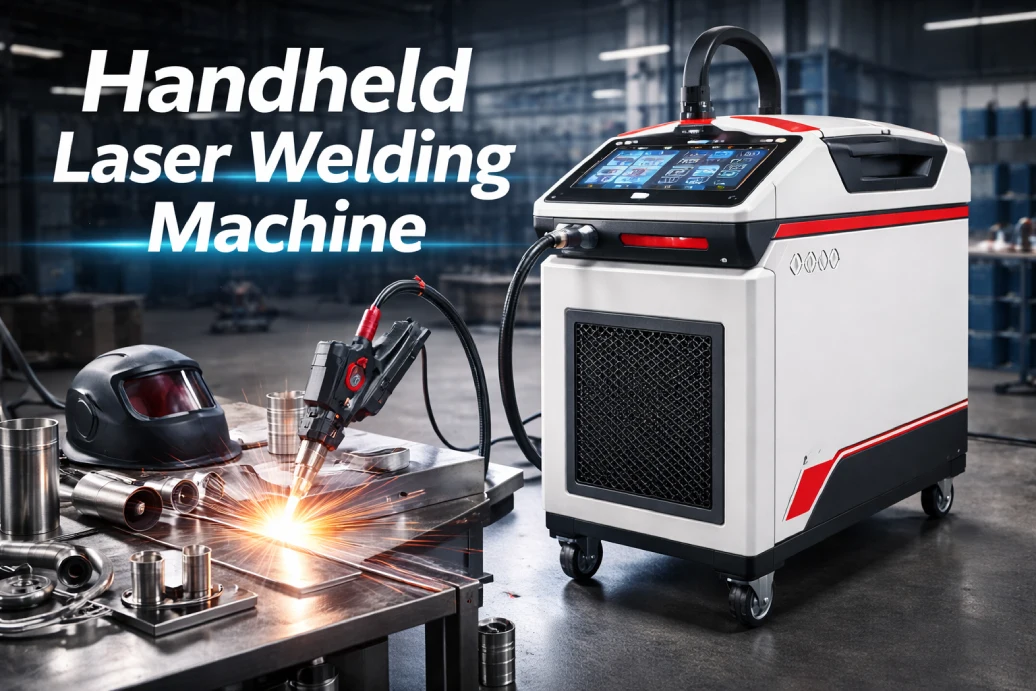
Handheld Laser Welding Machine Manufacturer – SLTL Group
Modern fabrication is moving fast. Customers want cleaner welds, quicker…
Best Laser Welding Machine in Mizoram
Introduction Mizoram’s industries, including construction, automotive, jewelry, and manufacturing, are…

Discover the Future of Carbon Materials at Carbontech 2024 – Free Tickets with SLTL Group
The world of carbon materials is evolving at an extraordinary…